Inside or outside: what the material can take
All garden furniture lasts longest when it spends the winter somewhere dry and frost-free. But a lot of it can stay outside if it’s covered properly:
| Material | Can it stay outside? | Watch out for |
|---|---|---|
| Softwood (pine, spruce, larch) | Better not | Wet and frost cause cracks and mould |
| Hardwood (teak, eucalyptus, acacia, robinia) | Yes, covered | Stand it on a dry base, treat it first |
| Aluminium, stainless steel | Yes, covered | Doesn’t rust, but dirt and leaves stick |
| Iron, painted steel | Only if the coating is intact | Touch up chipped paint first, or it will rust |
| Plastic | Yes, covered | Becomes brittle over time from sun and frost |
| Synthetic rattan | Yes, covered | Cover not airtight, keep the feet dry |
| Natural rattan | No | Can’t handle lasting moisture |
| Cushions and seat pads | No | Always store dry and frost-free |
If in doubt, follow the manufacturer’s care instructions. And even sturdy furniture looks better in spring after a winter indoors.
Before winter: clean and dry
Whether the furniture stays outside or moves to winter quarters, dirt, leaves and pollen set in over winter. Ideally, do this on a dry autumn day:
- Wash: with lukewarm water, a little mild soap and a soft brush. Always clean wood along the grain.
- Rinse: with clean water so no soap residue is left.
- Let it dry completely: including joints, weave and undersides. This is the most important step, because trapped moisture causes mould and mildew over winter.
- Treat it: oil or stain wood according to the manufacturer, touch up chipped paint on metal.
- Check the screws: anything that wobbles now can be tightened at leisure, not on the first warm day.
Cushions and seat pads: dry, loose, airy
Cushions are the most delicate part of garden furniture. The foam filling absorbs moisture and releases it only slowly. Packed away like that, they develop mildew stains, a musty smell and mould.
- Removable covers: wash according to the care label; vacuum or brush the rest.
- Let them dry completely, inside too. A cushion that feels dry on the outside can still be damp inside.
- Store them loosely, don’t squash them: stacked under weight or in a vacuum bag, the foam goes flat.
- Pack them breathably: in fabric covers or cotton bags, not in bin bags or plastic film.
- Check them now and then if they’re in a basement at home.
Staying outside: cover it properly
If the furniture stays outside, the cover makes all the difference:
- A breathable cover instead of a plastic tarp: condensation forms under a sealed tarp, and wood and weave go mouldy in it.
- Not too tight: air needs to circulate between cover and furniture.
- Feet up: put wooden blocks or stones under the legs so they don’t stand in wet leaves or snow.
- Secure against wind: stack chairs, tie down covers, move light furniture to a sheltered spot.
- Never leave cushions outside, not even in a cushion box standing in the wet.
Indoors: the right place
A garage, basement or garden shed makes good winter quarters if it’s dry and frost-free. A heated room, on the other hand, isn’t ideal, especially for wood: dry heating air draws moisture out of it and it can crack. Cool, dry and frost-free is best.
Indoors, too, don’t stand furniture directly on a cold, damp floor. Put it on slats or a pallet, and cover it loosely rather than sealing it in.
No space over winter? When storage makes sense
Many guides assume you have a garage or a basement. If you live in a city, you often have just a balcony and a small storage room that’s already full.
Even so, two folding chairs and a small balcony table don’t need a storage unit. Folded up, they fit behind a door or under the bed. A lounge set, a large dining table with chairs or sun loungers are a different story: they take up a lot of space all winter that you could use better indoors.
That’s when storing them can be worth it. To see how this works at SaveSpace, read about garden furniture storage.
Preparing garden furniture for storage
Our storage is dry and frost-free, so your furniture doesn’t need protection from the weather there.
From our experience: garden furniture is easy to store. What we notice is that almost nobody wraps it. That’s understandable: if it can stand outside all summer, it doesn’t seem to need anything.
But storage isn’t about weather, it’s about contact. In the van and in storage, your furniture stands next to other things and gets carried, loaded and set down. Scratches, dents and pressure marks happen exactly where nothing ever bumps into it on the terrace. Here’s how to prepare it:
- Clean and dry: we don’t take dirty or wet furniture into storage.
- Only take apart what you have to: anything that fits through the door can stay assembled. Exceptions: remove glass tabletops and wrap them separately, take the parasol off its base, and unscrew loose or protruding parts that could break off.
- Keep the screws: anything you unscrew goes into a labelled bag taped to the piece of furniture.
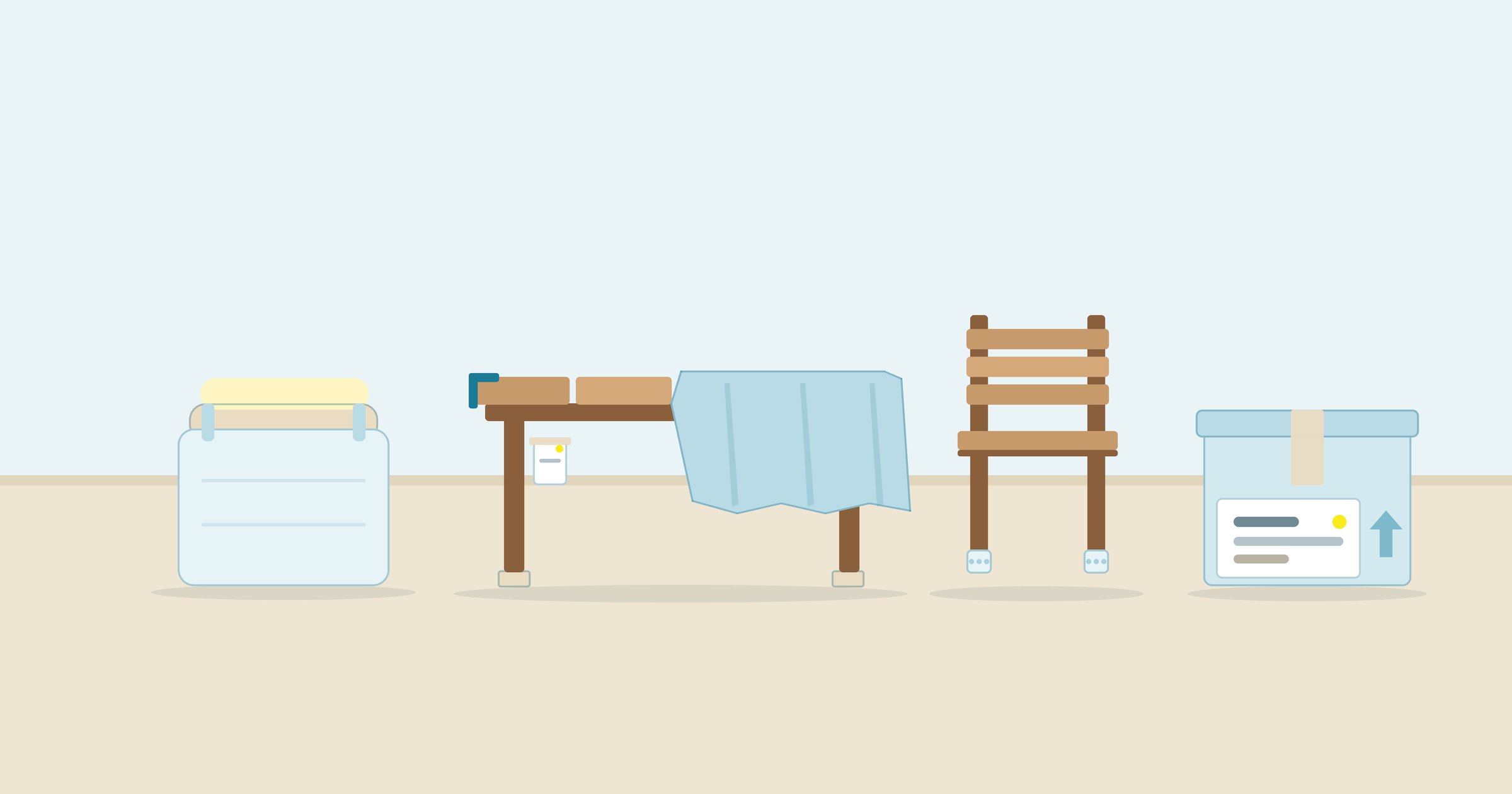
- Protect edges and legs: pad corners, edges and feet with bubble wrap or edge protectors. That’s where most damage happens.
- Cover surfaces: protect tabletops and delicate surfaces with furniture blankets or a breathable cover. Don’t wrap them completely airtight in plastic.
- Gas barbecue without the bottle: we don’t store gas bottles. Hand over the barbecue clean and without the bottle.
- Cushions separately: dry and loose in fabric covers, smaller items in boxes. How to pack those is in how to pack moving boxes.
You can order packing materials from SaveSpace once you’ve reserved your storage unit. They arrive within a few days, so it’s best to order them right away.
Checklist: garden furniture ready for winter
Before the first frost:
Your progress is saved on this device.
Common mistakes
These mistakes most often cost garden furniture its next summer:
- A plastic tarp straight over the furniture: condensation collects underneath.
- Covered or packed while damp: whatever goes in wet goes mouldy.
- Cushions in a cushion box outside: moisture gets in anyway.
- Cushions in vacuum bags: the foam goes flat and often doesn’t recover.
- Wood in a heated room: the dry air makes it crack.
- Stored unwrapped: scratches and dents come from transport, not from the weather.
Frequently asked questions
Can garden furniture stay outside in winter?
A lot of it can: aluminium, stainless steel, plastic, synthetic rattan and hardwood get through winter under a breathable cover. Softwood, natural rattan and all cushions belong indoors.
When should I put garden furniture away for winter?
Before the first frost at the latest, and on a dry day, so everything can dry completely after cleaning.
Can I wrap garden furniture in plastic film?
Not completely, and not airtight: condensation forms under film. For transport, bubble wrap on corners, edges and legs is enough; cover surfaces with blankets or a breathable cover.
What’s the best way to store garden cushions?
Clean, completely dry, loose and in breathable covers, somewhere dry and frost-free. Not in vacuum bags or bin bags.
Do I have to take garden furniture apart for storage?
Only if it doesn’t fit through the door. Remove glass tabletops, the parasol and loose, protruding parts anyway, and pack them separately.